Resources
Legal Readiness to Attract Climate Finance: Towards a Low-Carbon Asia and the Pacific
This article highlights some of these legal barriers to climate finance and showcases examples from the Lao People’s Democratic Republic and the Republic of Fiji where the countries have embarked on legal modernization.
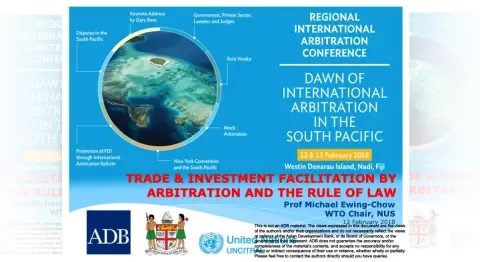
Trade and Investment Facilitation by Arbitration and the Rule of Law
Prof. Michael Ewing-Chow talked about the effects of a change in production and trade pattern from single producer to global value chain.
Framework Principles on Human Rights and the Environment: The main human rights obligations relating to the enjoyment of a safe, clean, healthy and sustainable environment
These framework principles set out the basic obligations of States under human rights law as they relate to the enjoyment of a safe, clean, healthy and sustainable environment.
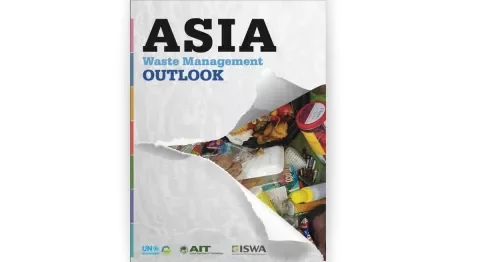
Asia Waste Management Outlook
This publication provides an overview of the current status, the current thinking on “state of the art” topics, and the future of solid waste management in Asia over the medium term.
Corporate Governance: Economic, Financing and Governance Models
Governance determines productivity and a country’s wealth. This presentation shows (i) how firms in Asia are affected by its governance practices; (ii) evidence of how ownership structure has adjusted in different parts of the world; and (iii) the various dimensions of governance and how different countries have configured the governance system.
Shareholders: Investors or Activists
From investors in passive, index-tracking funds to active and activist investors, this presentation covers the different types of company shareholder. It also examines the concept of stewardship—the directors’ duty to protect and enhance the assets they are entrusted with.
The Board: Roles and Responsibilities for the 21st Century
What is a board director really supposed to be doing? What is the balance between engagement and independence? To whom does a board director owe loyalty? What happens when things go wrong? Directors should seek to understand the board’s role and the core principles of their duties and responsibilities. They should put in place mechanisms within the board to ensure that these duties and responsibilities are discharged. The key to board effectiveness lies as much in behaviors and relationships as in structure and processes.
Corporate Governance: A Private Sector Perspective
Private enterprise helps drive economic growth and development in countries. There is broad recognition that good corporate governance standards better enable such growth and help meet wider development goals. As equity capital is seen as a key financing source for expansion of high-growth companies that are critical to driving economies, good corporate governance is particularly relevant to equity investors who take ownership stakes in projects or enterprises.

Corporate Governance from an Investor’s Perspective
Learn about International Finance Corporation (IFC)’s approach to corporate governance in its investment process. This presentation briefly describes the methodology used, practical examples and lessons learned from IFC’s numerous client engagements in Asia.

Policy Guidance Brief 6: Building a Resilient Myanmar Society through Education, Science and Technology
This Guidance Brief is intended as a guide for understanding key sectoral challenges, strategic objectives and specific actions to effectively address climate change in Myanmar. The guidance brief focuses on the pivotal role of the education, science and technology sectors in creating a knowledge-based society to drive Myanmar's inclusive and resilient economic social development.